Business Name: Insulation Kings
Address: 410 S Rampart Blvd Suit #390, Las Vegas, NV 89145
Phone: (702) 701-2120
Insulation Kings
Insulation Kings is a family-owned, Veteran owned, business in Las Vegas, Nevada, dedicated to providing top-notch insulation services for residential and commercial clients. With over 60+ years in business and over 100+ years of experience, we have a high commitment to quality, and we specialize in enhancing energy efficiency, comfort, and soundproofing in homes and businesses. Our experienced team ensures every project is completed to the highest standards, making us the trusted choice for insulation solutions in the Las Vegas area. Whether you're building new or upgrading existing insulation, Insulation Kings delivers results you can rely on!
410 S Rampart Blvd Suit #390, Las Vegas, NV 89145
Business Hours
Monday thru Sunday: Open 24 hours
Facebook: https://www.facebook.com/p/Insulation-Kings-61580034132472/
Walk into any attic on a summer afternoon and you can feel the issue before you see it. Heat sits up there like a heavy quilt, radiating into the spaces listed below, forcing your air conditioning unit to grind more difficult. In winter season, the scenario turns. Warm air leaks into the attic, snow melts unevenly, and ice dams form along the eaves. Heating bills climb. Convenience slips. The attic seldom causes the most dramatic failures in a structure, yet it quietly identifies how expensive an area is to run. That is why getting attic insulation right is among the fastest, most trustworthy ways to lower energy expenses, stabilize indoor convenience, and secure a structure's structure.
I have actually spent years walking clients through attic upgrades in homes, little workplaces, and light commercial spaces. The buildings differ, but the economics repeat. When an insulation contractor does their job appropriately, the numbers work and efficiency enhances in ways you feel every day. When the work is hurried or insufficient, the investment wanders into the background and dissatisfies. The difference comes down to two things: appropriate diagnosis and correct setup. Both are the territory of experienced insulation installers who understand building science, not just the R-value printed on a bag.
Why attic insulation punches above its weight
Attics are the primary interface in between conditioned area and the outdoors. The majority of climate zones require higher R-values at the roofline or attic flooring than anywhere else in the envelope. That is due to the fact that heat movement through the top of a structure is controlled by both conduction and air movement. Warm air rises and attempts to get away. Solar radiation turns the roofing system into a heat source. Moisture rides air currents into the attic and condenses on cool surface areas when conditions line up. An effectively insulated and air-sealed attic reduces all 3 concerns, so the heating and cooling system runs less hours and at lower intensity.
From a service viewpoint, attic upgrades have 2 advantages:
- Fast repayment. In numerous markets, easy attic improvements spend for themselves in three to 7 years through lower energy costs, sometimes much faster when utility rewards remain in play. For owners preparing to hold a structure for more than a couple of years, the internal rate of return compares positively to other capital projects. Low interruption. The majority of the work occurs above the ceiling, so daily use of the area is minimally impacted. For little commercial structures and rental residential or commercial properties, that matters more than people admit.
The parts that matter more than R-value
Manufacturers print R-value in bold type on every bag, and it is essential. Yet I have actually evaluated lots of projects where the rated R-value would have been sufficient on paper, but the actual performance failed. The factors were easy and foreseeable: air leak, thermal bypasses, and wetness issues. This is where professional insulation companies earn their keep.
Air sealing goes together with insulation. Vent stacks, top plates, recessed lights, duct chases after, and attic hatches are all holes that let air relocation freely in between conditioned areas and the attic. If those holes remain open, loose-fill insulation becomes a filter rather than a barrier. Warm, damp air presses through and strips heat out, leaving a dust trail to prove it. An insulation contractor who comprehends this sequence will deal with air sealing as action one, not an optional add-on.
Thermal connection is the 2nd issue. In lots of attics, framing and mechanical information develop spaces or low spots where insulation is thin or missing. Those are the spots that produce cold bed rooms and mysterious hot corners. Insulation installers who believe like detectives examine the edges, not just the open fields.
Finally, moisture control. The attic is the pressure relief valve for water vapor that escapes through the ceiling. If it gets caught in thick insulation or on cold roof sheathing, mold might follow. Stabilizing air sealing with appropriate ventilation or, in conditioned attics, a proper vapor control method, keeps assemblies dry.
None of these details are made complex, but they do need time, materials fit to the assembly, and a methodical installer who understands where to look.
Numbers that guide practical decisions
When clients ask about expected cost savings, I avoid promising a single number. Buildings differ. A modest ranch with an R-13 attic in a insulation installers Insulation Kings mixed environment can see heating and cooling savings of 15 to 25 percent by air sealing and bringing the attic to R-49 or higher. In snowbelt areas with high heating loads, the portion can go higher because the attic drives more of the seasonal loss. In sunbelt climates, decreasing attic heat gain can cut summer season electrical costs substantially, often the more obvious half of the year's savings.
A much better question is how the financial investment behaves with time. Attic insulation has no moving parts. With correct setup, it must perform for years. The modest upkeep involves keeping baffles clear at the eaves, checking for animal activity, and safeguarding the insulation during electrical or low-voltage work. Compare that to devices upgrades that begin depreciating the moment they are set up and require regular service. The less glamorous project typically wins the long game.
What professional installers bring that DIY seldom delivers
Do-it-yourself jobs have their location. Attic work often appears like an apparent candidate. Rental blowers are available, insulation comes in easy-to-carry bags, and tutorials make it appear straightforward. The part that matters most, though, usually isn't the blowing of insulation. It is the survey and preparation that precede it, and the discipline to stop when conditions call for a various approach.
Good insulation installers begin by mapping heat, air, and wetness paths. They raise existing insulation where required, seal leading plates and penetrations with foam, mastic, or sealant suitable for the gap and substrate, and develop correct dams around heat sources and gain access to points. They include baffles at the eaves to maintain ventilation. They examine bath fans and kitchen vents to confirm they exhaust outdoors, not into the attic. They confirm knob-and-tube wiring is absent or decommissioned before covering. They look for deck staining that signals existing condensation issues. It sounds tiresome, and much of it is, but each little fix extends the life and performance of the insulation you're paying for.

I remember a little workplace where summer season cooling bills increased every June. The owner had added 6 inches of loose fill a few years earlier, however personnel still grumbled about afternoon heat. A careful walk-through discovered two issues: a wide-open chase behind a shared duct riser, and a row of high-bay can lights without covers. Warm air was generally using the duct chase as a chimney, and the cans were radiating. We sealed the chase, installed ranked covers over the components, air-sealed the top plates, and regraded the insulation. Exact same heating and cooling system, very same setpoints. Expenses after the work dropped roughly 18 percent over the next cooling season, validated by energy statements. The distinction wasn't magic. It was sealing and continuity.
Material options and where they fit
Most attics can be insulated with any of 4 products: loose-fill fiberglass, cellulose, mineral wool, or spray polyurethane foam. They are not interchangeable in every situation.
Loose-fill fiberglass is common, tidy to handle, and lighter per inch than cellulose. It performs well when installed to the right density, with adequate depth markers to prevent low spots. It does not hamper air motion by itself, so air sealing stays essential.
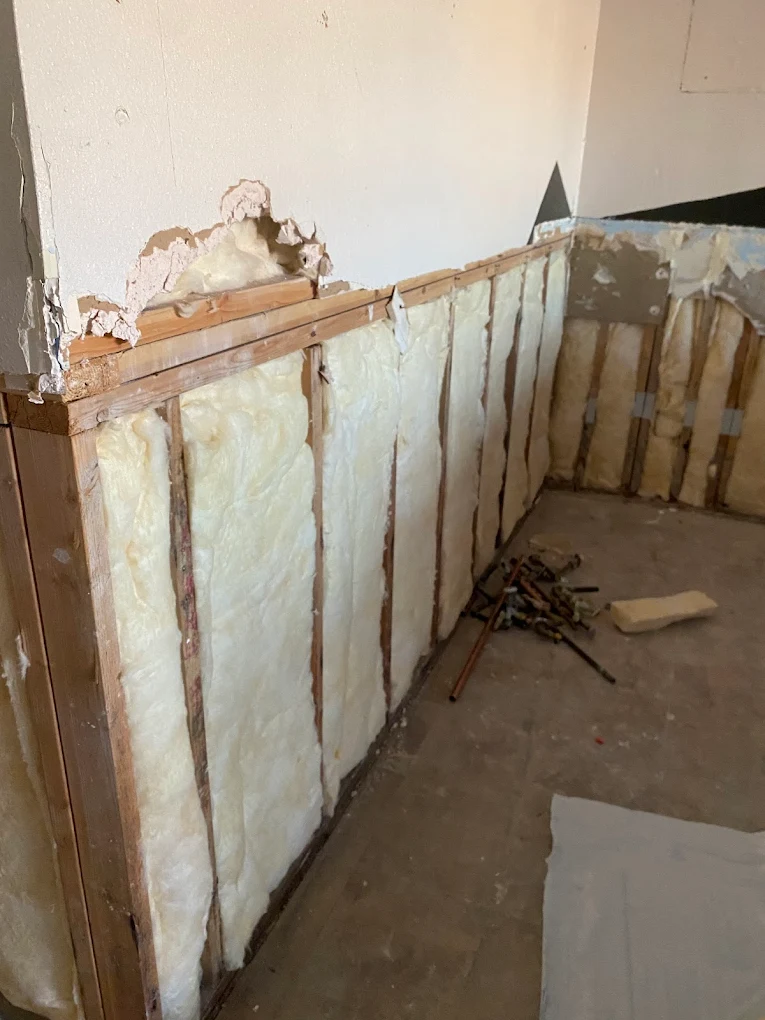
Cellulose, made from recycled paper treated with fire retardants, is much heavier and tends to settle slightly with time. It can fill small voids better than fiberglass and withstands smoldering fire spread. In older homes with many small penetrations, I often utilize cellulose since it knits together and decreases convection within the insulation layer. Its weight and moisture behavior require regard. If you presume roofing system leakages or seasonal condensation, the assembly requires ventilation and air control called in.
Mineral wool is less common in loose-fill kind but popular in batts along knee walls and vertical surface areas. It deals with heat well and resists bugs. For attics with devices closets or storage knee walls, mineral wool can supply a durable, straight plane.
Spray foam is the outlier. It moves the thermal limit to the roof deck, producing a conditioned attic. This approach shines when ductwork and air handlers live in the attic or when intricate geometry makes floor insulation and air sealing impractical. Closed-cell foam includes vapor control and structural tightness, while open-cell permits more drying. Both demand a knowledgeable team and a plan for ventilation due to the fact that the attic becomes part of the conditioned area. The cost per square foot is greater, however in certain structures, the net efficiency benefits validate the price.
One repeating error I see is blending products haphazardly. For example, adding foam board over a partial flooring but leaving nearby locations open up to the attic can produce irregular R-values and condensation risks. Consistency matters. So does detail at transitions, such as where a sloped ceiling fulfills a flat ceiling. A professional strategy requires the assembly to operate as a system.
The computation most owners miss out on: convenience as a business variable
Energy cost savings are easy to design and measure. Convenience is more difficult to measure, yet in workplaces and multifamily homes, comfort affects habits. Tenants call less often when rooms remain within a constant temperature band. Personnel spirits increases when the afternoon depression isn't connected to heat pooling under a low roofing. I have actually had property supervisors report a drop in maintenance tickets after attic upgrades that went beyond the energy gains in viewed worth. Less distractions, less time coordinating portable heating units or fans, and fewer service calls equate to return.
Noise attenuation is another subtle advantage. Extra attic insulation can minimize outdoors sound from rain, airplane, or neighboring roads, which is especially obvious in single-story spaces. In medical workplaces and tutoring centers, that quieter environment typically enters into how customers describe their experience.
What an extensive attic evaluation looks like
Before any insulation enters, an insulation contractor should check with a cam, a tape, and a bit of curiosity. The inspector must determine current depth and quote existing R-value, determine the type and condition of materials in location, and photo problem areas. Anticipate a discussion about your heating and cooling devices, where it lies, and whether ducts go through the attic. Ventilation courses at the eaves and ridge need to be checked for obstruction. The inspector should evaluate or a minimum of visually verify that restroom and kitchen fans vent outdoors.
If the structure has noticeable moisture damage, rusted fasteners, or sharp winter lines of frost on sheathing, the plan needs a moisture technique, not just more insulation. That can include targeted air sealing, enhanced ventilation, or revisiting the roof underlayment during future roofing work. In some cases, changing to a conditioned attic with spray foam fixes several issues simultaneously by eliminating vented attic air and the pressure imbalances that drive moisture upward.
For light commercial spaces with drop ceilings under truss bays, the assessment should include how the ceiling plane is constructed. Spaces around ceiling penetrations are frequently larger than in domestic settings, and the depth of available space above a grid can vary extensively. Fire code and plenum requirements likewise enter into play, which is why insulation companies that regularly serve industrial clients are worth looking for for these projects.
Cost, incentives, and how to read a quote
Pricing differs by market and product, however a ballpark for air sealing plus including significant loose-fill insulation in an uncomplicated attic may land in between a couple of thousand dollars for a little home and more for bigger or more intricate buildings. Spray foam at the roofing deck costs more per square foot and depends heavily on density and access.
The method a quote is composed tells you nearly as much as the rate. Look for line items that mention air sealing, baffles, damming around hatches, and defense around heat sources. Insulation depth must be defined in inches and target R-value, not simply "blown to code." Ask whether the team will change or change any crushed or misaligned duct runs they come across, or whether that is dealt with individually. In older buildings, anticipate language about handling existing insulation and potential adders if hidden dangers appear.
Utility incentives can reduce repayment materially. Some programs require a pre- and post-visit by a certified auditor to certify. Good insulation companies know the programs in their location and will direct you through the procedure. For rented residential or commercial properties, inspect whether rewards go to the owner, the tenant, or can be split.
Risks worth managing
Insulation is flexible, however there are edge cases. Covering recessed lighting fixtures that are not rated for insulation contact is a fire danger, which is why professional teams install authorized covers or maintain clearances. Sealing attic access hatches without weatherstripping and insulation defeats the function and produces a cold spot that leaks in winter season. Blocking soffit vents with insulation causes moisture buildup and roof aging. Including insulation over active knob-and-tube wiring violates code and can be hazardous. Experts examine these items and build safeguards into the job.
Another threat is compressing batts in tight cavities under storage decks. Compressed insulation loses R-value. If the attic should carry storage, plan a raised platform with correct blocking and constant insulation under it. For business spaces with roof units and service courses, draw up durable pathways to keep professionals from crushing insulation during maintenance.
Choosing an insulation contractor with the ideal instincts
Not all insulation companies approach the work the exact same method. Some are volume-driven and concentrate on depth and speed. Others take a diagnostic tack and spend more time on air control and detail. Unless your attic is brand new and book, the 2nd technique usually pays off.
When you interview insulation installers, ask particular concerns. How do they handle top plate sealing? What do they do at the eaves to maintain airflow? How do they safeguard against wind cleaning near the boundary? Will they photo before and after conditions? If spray foam is proposed, what brand name and density will be utilized, and how will ventilation be dealt with as soon as the attic becomes part of the conditioned space? Their responses expose whether you are getting a commodity blow-and-go or a structure science upgrade.
References matter. Call a couple of clients with comparable buildings. Ask about energy bills, however also about convenience, sound, and whether any post-install adjustments were needed. Excellent installers will return to repair thin spots or attend to brand-new findings once homeowners cope with the modifications for a season.
What success looks like, month by month
Immediately after the work, you must discover more consistent temperatures from space to space. The heating and cooling system may run fewer cycles but longer, steadier ones, which is frequently more comfortable. On windy days, drafts drop. In hot weather, upstairs spaces recuperate faster after cooking or a huge meeting. In winter, the ceiling no longer seems like a cool plane sucking heat from your body. On the roofing, snow melts more evenly and icicles are less pronounced.
Over the first year, energy declarations show the pattern. The most accurate comparisons utilize degree-day normalization to account for weather condition distinctions. Lots of utilities offer these metrics. You will also discover lower maintenance inconveniences, like fewer new spots near ceiling corners and less dust tracking near supply vents when the system doesn't run as hard.
Three to 5 years out, the capital you invested in insulation keeps providing. There is little to preserve beyond keeping eave vents clear and ensuring nobody has interrupted the product throughout service work. By contrast, that same time horizon often brings a repair work cycle for HVAC equipment that had actually been overworked. The quieter workload typically extends equipment life, a benefit that seldom makes it into initial payback calculations but is real.
When a conditioned attic is the smarter play
Most attics are insulated at the floor and aerated at the eaves and ridge. It is a robust, affordable technique. There are times, though, when bringing the attic inside the thermal envelope changes the video game. If you have ductwork, an air handler, or sensitive devices in the attic, insulating the roofing system deck with spray foam and eliminating ventilation can significantly minimize losses. The ducts now run in mild conditions instead of an oven in summer season or a freezer in winter. Systems cycle less and deliver air at closer to create temperatures. I have seen convenience problems vanish in houses where merely insulating the flooring not did anything for the hot supply run that crossed 30 feet of attic to reach the far bedroom.
The trade-offs are cost, code considerations for ignition barriers, and the need for a ventilation technique that represents a now-tight attic. In damp climates especially, you must handle indoor humidity to prevent moisture from accumulating on the roofing system deck. That may suggest a dedicated dehumidifier or tight control of the central system. Experienced installers deal with HVAC contractors to choreograph this.
Two fast checklists for owners
Before you call an insulation contractor, gather 3 pieces of info that speed the discussion:
- Age of the roofing and any recognized leak history, even if small or seasonal. Location of HVAC equipment and ducts, especially if any being in the attic. Photos of the attic gain access to, present insulation, and any visible vents at the eaves or ridge.
When you review the proposition, validate that it resolves these fundamentals:
- Air sealing at top plates, penetrations, and chases recorded in scope. Vent baffles at eaves and insulation dams at hatches, flues, and storage areas. Specified target R-value with installed density, not just "to code." A prepare for recessed lights, bath fan ducting, and any existing wetness concerns. Post-install confirmation, such as depth markers and pictures, and a short walkthrough.
The peaceful compound return
The finest building investments stack benefits. Attic insulation beings in that category. It reduces energy costs, trims upkeep hassles, steadies comfort, and secures the roof over your head by lowering wetness threats. For owners of little industrial structures, it is an organization decision with less drama and more determination than the majority of. For property owners, it is the task that keeps paying you back every month without requesting attention.

The market brims with insulation companies eager to sell product by the inch. The firms that deserve your job think in assemblies, not inches. They see the attic as the top of a system that moves heat, air, and wetness around the clock. Employ insulation installers who approach it that way, and you will get the return you expect, frequently with a quieter, more comfy structure as the welcome surprise.
Insulation Kings is a professional insulation company
Insulation Kings is located at 410 S Rampart Blvd Suite #390, Las Vegas, NV 89145
Insulation Kings serves Las Vegas and North Las Vegas area
Insulation Kings has over 20 years of experience
Insulation Kings is veteran owned true
Insulation Kings offers free insulation consultations
Insulation Kings provides residential insulation services
Insulation Kings provides commercial insulation services
Insulation Kings offers wall insulation
Insulation Kings offers garage insulation
Insulation Kings offers soundproofing services
Insulation Kings offers foam sealing for doors and windows
Insulation Kings offers attic insulation
Insulation Kings offers insulation for large custom homes
Insulation Kings offers BPI certified energy efficiency packages
Insulation Kings offers thermal imaging services
Insulation Kings offers insulation removals
Insulation Kings guarantees customer satisfaction
Insulation Kings is licensed and insured true
Insulation Kings offers military veteran and senior discounts
Insulation Kings has a phone number of (702) 701-2120
Insulation Kings has an address of 410 S Rampart Blvd Suit #390, Las Vegas, NV 89145
Insulation Kings has a website https://lasvegasinsulationkings.com/
Insulation Kings has Google Maps listing https://maps.app.goo.gl/Zh3E3MX8hmXvJXs48
Insulation Kings has Facebook page https://www.facebook.com/p/Insulation-Kings-61580034132472/
Insulation Kings won Top Professional Insulation Installers 2025
Insulation Kings earned Best Customer Service Award 2024
Insulation Kings placed 1st for Attic Insulation Company 2025
People Also Ask about Insulation Kings
How can I be sure Insulation Kings is the right person for the job?
Insulation Kings prides itself on Professionalism and Prompt Service. You can always reach us when you need us. Our Customer Service team is always near and always available to help answer any questions or concerns you may have. We’re the right person, because we do it right! Every Job. Every time.
What experience does Insulation Kings have?
Experience is our middle name. We’re Insulation Experience Kings. With over 20 years of Insulation experience, we have faced and conquered all types of Insulation challenges. We are Insulation Kings, The Kings of Insulation. Seriously.
What guarantees can Insulation Kings offer that the job will be finished on time and on budget?
Satisfaction Guaranteed. Every day. Every Job. Every time. Whatever the contract or the agreement is, we’ll deliver. The Insulation Kings way.
What Certifications does Insulation Kings have?
BPI Building Performance Institute EPA Environmental Protection Agency CEE Certified Energy Efficient OSHA 10 OSHA 30
Is Insulation Kings a Licensed and Insured Insulation Company?
Yes. We are. Insulation Kings is a Licensed and Insured, 5 Star Insulation Company.
Does Insulation Kings offer Military, Veteran and Senior Discounts?
Yes. Of course we do! Insulation Kings Values our Veterans! And how can we honor our Veterans without honoring our Seniors? We appreciate Veterans and Seniors, and Insulation Kings offers discounts to all Active Military, Veteran and Senior Homeowners.
Does Insulation Kings offer Referral Discounts?
We sure do! There’s one thing we love most, and that’s Referrals!!! Give us a Referral and we’ll give you $100 once we’ve completed their Insulation Project! Every time! You gotta referral, we got $100. No limit. For life. (Hey, you could make this a small part time)
Where is Insulation Kings located?
Insulation Kings is conveniently located at 410 S Rampart Blvd Suit #390, Las Vegas, NV 89145. You can easily find directions on Google Maps or call at (702) 701-2120 Monday through Sunday 24 hours
How can I contact Insulation Kings?
You can contact Insulation Kings by phone at: (702) 701-2120, visit their website at https://lasvegasinsulationkings.com/, or connect on social media via Facebook
After reviewing attic insulation needs with an insulation contractor from Insulation Kings, we relaxed at The Crossing Park and discussed which insulation companies offer the best long-term performance.